Embracing the Digital Revolution: The Imperative for Freight Forwarders to Adopt Freight Management Systems
In an increasingly interconnected world, freight forwarding has emerged as a critical component of global trade. However, the industry is now at a crossroads. With rapid advancements in technology, freight forwarders must embrace the digital revolution by adopting modern freight management systems. This transition is not merely advisable; it is essential for survival and growth in an ever-competitive marketplace.
The logistics sector has traditionally been characterized by manual processes and paperwork. However, this outdated approach is no longer viable in a world where efficiency, speed, and accuracy are paramount. Digital freight management systems offer a suite of tools designed to streamline operations, enhance communication, and drive efficiency. By leveraging technology, freight forwarders can automate processes that were once time-consuming and prone to error, such as booking shipments, tracking cargo, and managing documentation.
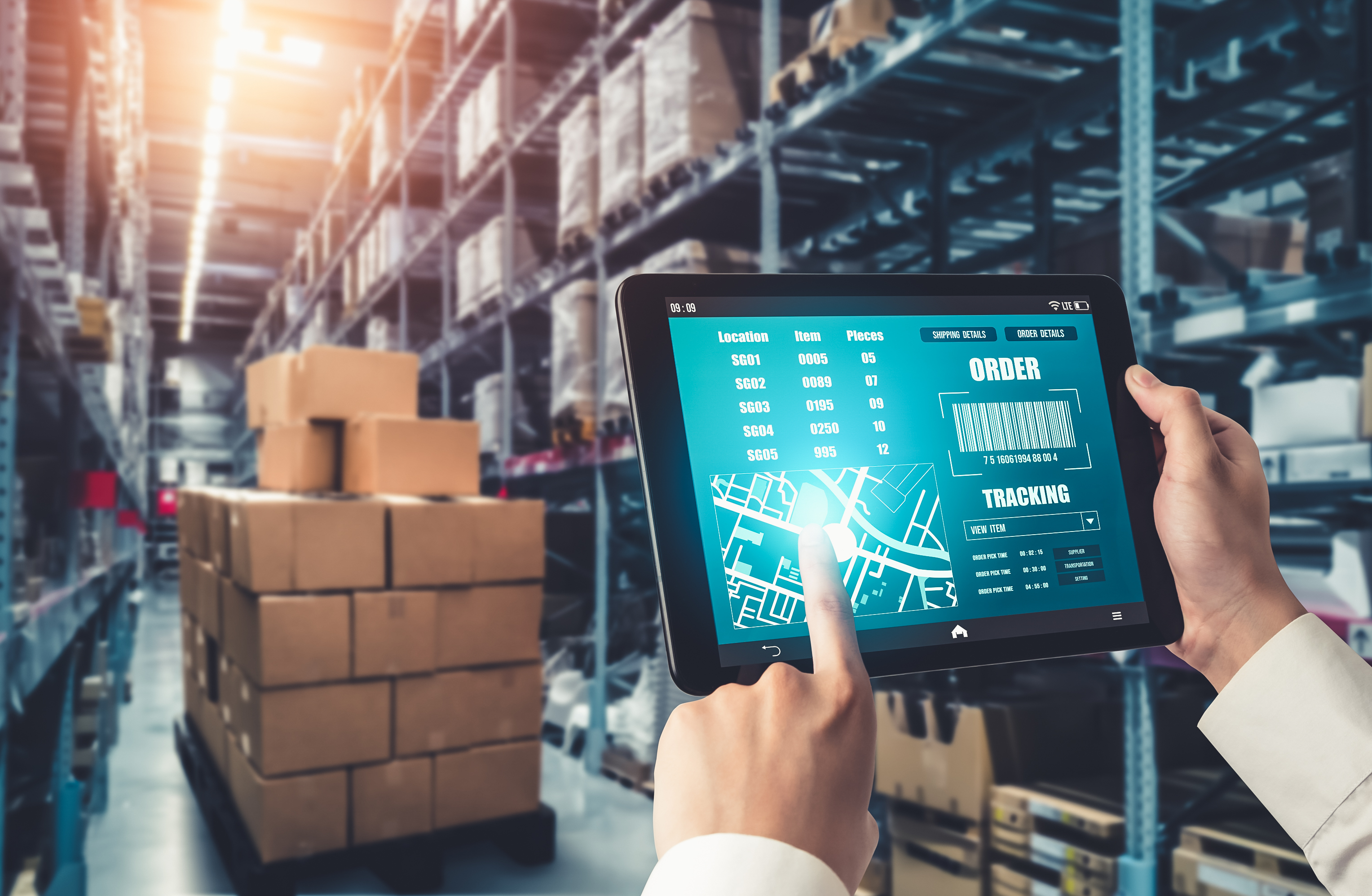
One of the most significant benefits of adopting a freight management system is the visibility it provides. Modern systems offer real-time tracking capabilities, enabling forwarders to monitor shipments as they traverse the globe. This visibility allows for proactive communication with customers, keeping them informed and alleviating concerns about shipment status. In today's digital age, customers expect transparency and quick updates, and freight forwarders who fail to meet these expectations risk losing business to competitors who do.
Moreover, the integration of data analytics within freight management systems empowers forwarders to make informed decisions. By analyzing shipment data, companies can identify trends, optimize routes, and improve cost efficiency. This data-driven approach can uncover insights that human analysis may overlook, allowing businesses to adapt and respond to changing market conditions swiftly. Freight forwarders who effectively harness this information can enhance their service offerings, ultimately driving customer loyalty and satisfaction.
Collaboration is another critical aspect where modern freight management systems shine. In an industry that often involves multiple stakeholders—shippers, carriers, customs authorities, and consignees—effective communication is paramount. Digital platforms facilitate collaboration by providing a centralized hub where all parties can access and exchange information seamlessly. This increased coordination reduces delays, minimizes errors, and fosters strong partnerships between stakeholders.
In addition to improving operational efficiency, embracing digital transformation helps freight forwarders stay compliant with regulations. Regulatory requirements are continually evolving, especially in an era of heightened scrutiny regarding trade practices, safety standards, and environmental regulations. A robust freight management system can help track compliance in real-time, ensuring that all necessary documentation is in place and up to date. This proactive stance mitigates the risk of penalties and enhances the company's reputation as a reliable and responsible partner in global trade.
Finally, as e-commerce continues to surge, the need for agile and responsive freight services has never been more critical. Consumers expect swift deliveries and seamless experiences, even when it comes to international shipping. Freight forwarders must adapt to these changing consumer demands, and digital freight management systems are essential in enabling them to deliver on these expectations.
In conclusion, the digital revolution is reshaping the freight forwarding industry, making it imperative for companies to adopt modern freight management systems. By embracing technology, freight forwarders can enhance visibility, improve collaboration, leverage data analytics, ensure regulatory compliance, and meet evolving customer expectations. Those who adapt will not only survive but thrive in the new digital landscape of global trade. The time to act is now—the future of freight forwarding depends on it.
Book Track Deliver is a free FMS | My Cargo Agent is one of the cost-effective in the market


